
The Music Hall Era
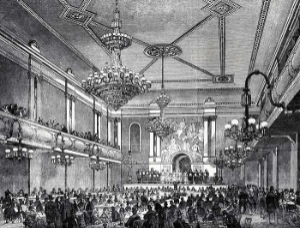 By the mid-1800s, late-night entertainment had gathered momentum and many other venues began to offer similar intimate gatherings: The Coal Hole on The Strand, The Cyder Cellars in Maiden Lane and famously, The Canterbury Music Hall in Lambeth (left). Charles Morton and his brother-in-law, Frederick Stanley had purchased The Canterbury Arms in Upper Marsh, in 1849.
Morton was experienced in presenting 'Gentlemen Only' entertainments in his other pubs, and decided to offer “musical meetings” in the back room of his latest acquisition. He brought in smart tables, soft chairs and candlesticks, allowing audiences to sit and eat or join in the “Free and Easy” sing-alongs.
Morton also encouraged women to attend the entertainments at The Canterbury, giving the room wider appeal. Entry was free, but the increased profits from the sale of food and drink enabled the development of an old skittle alley at the back of the pub into a 700-seater venue. Its opening on 7th May 1852 was consequently described as “the most magnificent date in music hall”, and the building’s design became a template for other rooms such as The South London and The Boar & Castle.
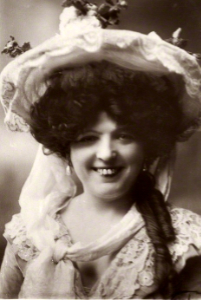
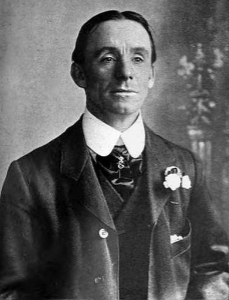 'Jokes' were not yet standard fare on stage. The stand-up style we know today had yet to emerge from a muster of monologues, comedy songs and variety acts. In the early 1900s, professional songwriters were enlisted to provide the music for a diverse range of star performers including Marie Lloyd (left), Dan Leno (right), Little Tich and George Leybourne. This populist music hall entertainment would thrive well into the mid-20th century, and its widespread, inexpensive access is often cited by historians as the reason for high spirits during hard times.