My 100 best Old and New Masters of Comedy
Click an image for information
The duty of comedy is to correct men by amusing them
1. Taillefer (1000?-1066)
William the Conqueror’s jester and very much the mascot of the French army. At the beginning of The Battle of Hastings, he performed his usual jeering song to the English army, at which point a Saxon soldier ran forward and decapitated him.
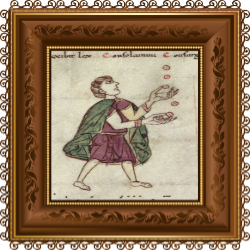
1. Taillefer (1000?-1066)
2. Nasreddin (1210-1275/85)
The Jester of Tamerlane of Turkey, Nasreddin, is a legend throughout Islamic history. Stories of his antics were told across tribes of Persia, Afghanistan, Russia and China. The International Nasreddin Hodja Fest is celebrated in the first week of July every year.
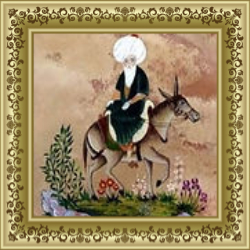
2. Nasreddin (1210-1275/85)
3. John Scoggins (1370?-1430?)
Jester and confidant of Edward IV, Scoggins was a prankster of the highest order (See History of Comedy). Prior to a royal engagement, he informed both his wife and the Queen that either woman was deaf, then sat laughing with the King as the wives met and shouted at each other.
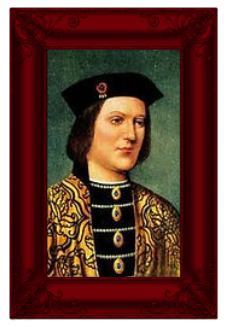
3. John Scoggins (1370?-1430?)
4. John Heywood (1497-1580?)
A writer, actor and ‘synger’ of his own epigrams in the royal courts of Henry VIII, Edward VI, Mary I and Elizabeth I. By the time he was twenty, Heywood was already receiving 400 shillings a year for his comedy performances.
"Hard beginning maketh a good ending"
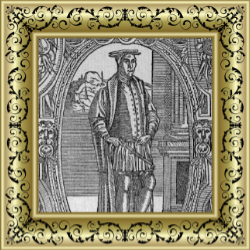
4. John Heywood (1497-1580?)
5. Andrea Calmo (1510-1571)
The pioneer of the masked comedy theatre, Commedia dell’Arte, Calmo’s plays formed the basis of the art form. All these works were in rhyme. His six main comedies are still performed around the world today and the plots have influenced many modern comedy classics.

5. Andrea Calmo (1510-1571)
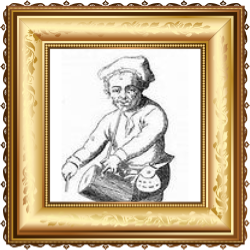
6. Richard Tarlton (1530-1588)
The most famous clown of his time (see History of Comedy) and known for the doggerel comic verses which became known as ‘Tarltons’. He turned Elizabethan theatre into mass entertainment, paving the way for a young playwright named Shakespeare.
6. Richard Tarlton (1530-1588)
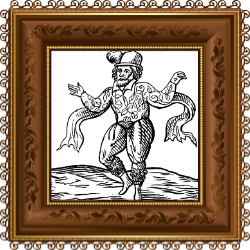
7. William Kemp (1560-1603)
One of Shakespeare’s comedy actors, Kemp played all the top comic roles for The Chamberlain’s Men. In 1600 he undertook what would become known as ‘the nine day wonder’ when he Morris-danced 100 miles from London to Norwich.
7. William Kemp (1560-1603)
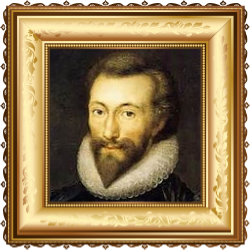
8. Robert Armin (1563-1615)
Took over from Will Kemp as the comedy lead in Shakespeare’s plays and then wrote his own comedies in which he changed the part of the lowly fool into a high-comedy, domestic wit.
8. Robert Armin (1563-1615)
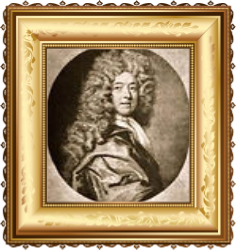
9. Thomas Betterdon (1635-1710)
Comedy actor and director of some of the first restoration comedy in Britain. In order to premiere Congreve’s Love For Love, Betterdon opened his own theatre in Lincoln’s Inn Fields – and then also produced, directed and starred in the play.
9. Thomas Betterdon (1635-1710)
,p>10. John Bannister (1760-1836)
Known as the “best low comedian” of his time. Bannister was the main comedy actor at Theatre Royal Drury Lane for over 30 years, starring in productions from Voltaire to Sheridan. He is cited as having introduced matinees to the theatre.
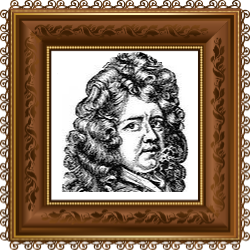
10. John Bannister (1760-1836)
11. Joseph Grimaldi (1778-1837)
The most popular English comic of the Regency period. Having popularized the role of the clown, ‘Joey’ saw his name become the generic clown title. A devoted public returned annually to his pantomimes, leading to his origination of the scripted catchphrase.
"Here we are again."
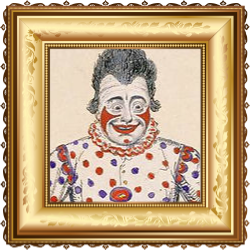
11. Joseph Grimaldi (1778-1837)
12. Jeann-Gaspard Deburau (1796-1846)
The father of mime and physical comedy, Deburau performed his comedy creations for nearly thirty years at The Theatre des Funambules. These included his character Pierrot, the most famous of all the white face clowns and the basis of all modern-day clowns.
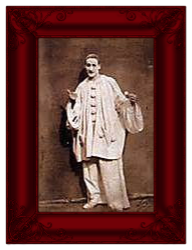
12. Jeann-Gaspard Deburau (1796-1846)
13. Dan Rice (1823-1900)
A US entertainer of many talents, Rice was actor, writer, humourist, strong-man, animal trainer, acrobat and song-writer, as well as comic clown. He coined the phrases “One horse show” and “Greatest show on earth”, his popularity leading to his 1868 run for the American presidency.
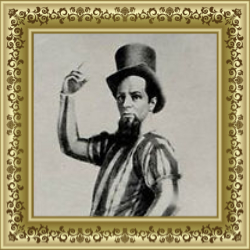
13. Dan Rice (1823-1900)
14. Billy Kersands (1842-1915)
An African-American acrobat, singer, dancer, musician and comic who worked in black-face minstrelsy, his wide range made him the best and highest-paid minstrel of his day. A hit with both black and white audiences, his fans included Mark Twain, Walt Whitman & Queen Victoria.
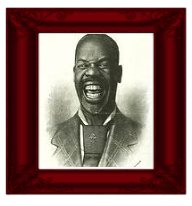
14. Billy Kersands (1842-1915)
15. T.W. Barrettt (1851-1935)
Despite his father being a boot-maker from Birmingham, Barrett was known as ‘A Nobleman’s Son’, right from his first appearance in London at The Mile End Pavilion. Playing an upper-class 'nob' made him a hugely popular comic, and he is credited with being the originator of deadpan delivery.
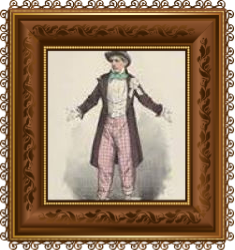
15. T.W. Barrettt (1851-1935)
16. Herbert Campbell (1846- 1904)
Campbell was a big hit of the Music Halls, playing up to six a night - no easy feat for a man weighing in at over twenty stone. He excelled at pantomime in which he became the most sought-after artiste of the craft: teamed with the diminutive Dan Leno, they created the first fat/thin double act. The pioneer of ‘Fatty falls over’ comedy.
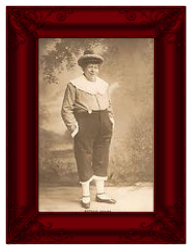
16. Herbert Campbell (1846- 1904)
17. Dan Leno (1860-1904)
A global champion teenage clog dancer, he became the highest-paid comic in the world by the age of 30. Working in opera, music-hall, pantomime and late-night supper rooms, Leno quickly became ‘The funniest man in the world’, but suffered a mental breakdown and an untimely death at 42.
An Obstinate Cork filmed in 1902 is a rare piece of Leno footage.
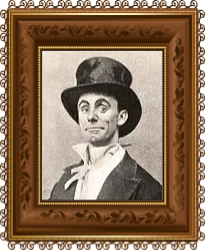
17. Dan Leno (1860-1904)
18. Fred Karno (1866-1941)
An English theatre impresario, he is credited as having created sketch comedy and popularizing the pie-in-the-face punchline. His physical slapstick comedy was toured as ‘Karno’s Army’. Two comics who worked alongside and learned from him were Charles Chaplin and Stan Laurel.
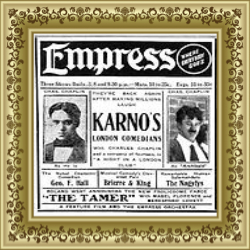
18. Fred Karno (1866-1941)
19. LIttle Tich (1867-1928)
4 feet 6 inches of pure comedy, he was famous for an acrobatic Big Boot dance routine that was the perfect comedy act for the early days of Music Hall. He also shone in Pantomime, working alongside Dan Leno and Marie Lloyd.
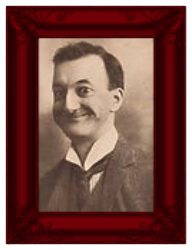
19. LIttle Tich (1867-1928)
20. George Robey (1869-1954)
Known as the ‘Prime Minister of Mirth’, he was considered to be the greatest Music Hall performer of all time. Robey was famed for his ability to quieten any rowdy crowd in the country, and is also considered to be the first observational comedian.
'My fatal beauty dazzles people when they get close to it."
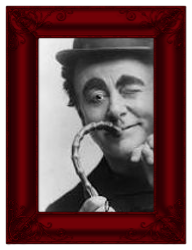
20. George Robey (1869-1954)
21. Marie Lloyd (1870-1922)
“The Queen of the Music Hall”, Lloyd was both singer and comedian, and outstanding in her field. She brought innuendo and double entendre to comedy with such songs as “A Little Of What You Fancy’ and the people’s favourite “She Sits Amongst The Cabbages And Peas”
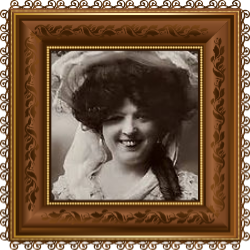
21. Marie Lloyd (1870-1922)
22. Will Rogers (1879-1935)
A rope-twirling cowboy Vaudevillian who used his southern drawl and down-to-earth manner to ridicule the government, politicians, prohibition and other controversial subjects. Rogers became the leading political wit of his time.
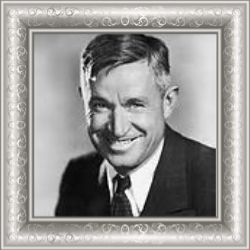
22. Will Rogers (1879-1935)
23. Grock (1880-1959)
Born Charles Adrien Wellach, this musical Swiss clown became the toast of European theatres and music halls. After a tour of the US he was named ‘King of the Clowns’ and with this became the highest-paid entertainer in the world.
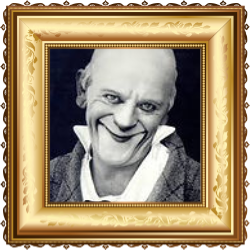
23. Grock (1880-1959)
24. WC Fields (1880-1946)
Starting out as a Vaudevillian juggler, he graduated into the Ziegfeld Follies, for which William Claude created a brilliant, egotistical, hard-drinking, curmudgeonly persona. A huge influence in film comedy, he created some novel shorts in the early days of cinema including (1932) The Dentist .
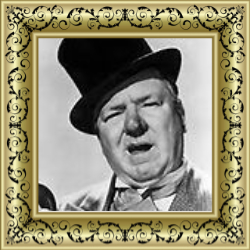
24. WC Fields (1880-1946)
25. Karl Valentin (1882-1948)
A Bavarian comedian, in demand at many German cabaret rooms. He starred in silent movies and was known as ‘The Chaplin of Germany’. Valentin helped Brecht create the concept of ‘epic theatre’ and became a huge influence on German Weimar culture.
"Today is the good old times of tomorrow"
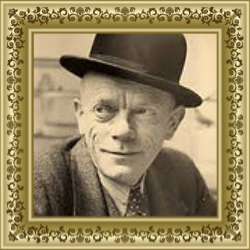
25. Karl Valentin (1882-1948)
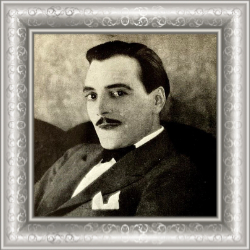
26. Max Linder (1883-1925)
French comedian who acted in traditional comedy theatre productions before moving into silent movies. His on-screen role, ‘Max’ became the first recognisable character in film. Linder is cited as being the first-ever international movie star.
26. Max Linder (1883-1925)
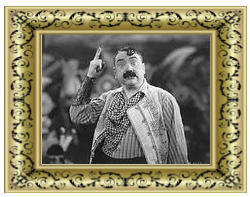
27. Billy Bennett (1887-1942)
A comedian of the music hall era who first performed with the famous ‘Karno’s Army’. Going solo, he became a huge success with his incredible hysterical monologues. These soliloquies stood out since they were the first parodies of famous poems.
27. Billy Bennett (1887-1942)
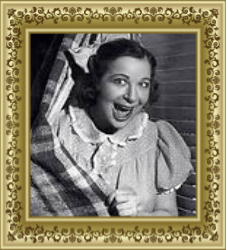
28. Fanny Brice (1891-1951)
Brice was the first female comic to work with the renowned Ziegfeld Follies. Her popularity grew to such a level that she opened her own theatre on Broadway, in which she performed for nearly ten years. Her theme song ‘My Man’ won her a posthumous Grammy.
28. Fanny Brice (1891-1951)
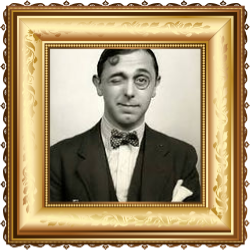
29. Lupino Lane (1892-1959)
A member of the famous theatrical Lupino family, Young Henry performed as a child with his father as ‘Little Nipper’. A remarkably physical comedian, he became an outstanding character in British silent films, but was most famous as Bill Snibson in the play/film Me And My Girl.
29. Lupino Lane (1892-1959)
30. Jimmy James (1892-1965)
A music hall comic held in such high esteem by his peers that he became the first funnyman to be credited with the phrase ‘Comedian’s Comedian’. Whenever he was on stage, all the other performers would watch from the theatre wings: they knew he would always attempt something new.
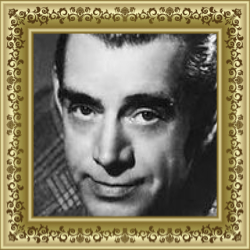
30. Jimmy James (1892-1965)
31. Max Miller (1894-1963)
“Do you want the white book or the blue book?” Blue was the colour of the ink used by the Lord Chamberlain on scripts deemed to be rude or smutty – and Max would perform near the knuckle at any opportunity. Banned by the BBC, disapproved of by a wedge of society: a comedy star.
Max Miller performing his signature song 'Mary From The Dairy' (from the 1940 film Hoots Mon).
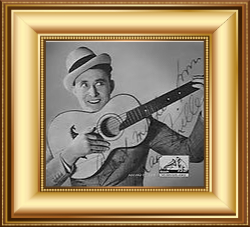
31. Max Miller (1894-1963)
32. Fred Allen (1894-1956)
The first absurdist comedian to strike it big across the US. Allen’s topical comedy radio show (also a first) helped to make him one of the most popular humourists during the golden age of American radio.
"California is a fine place to live – if you happen to be an orange."
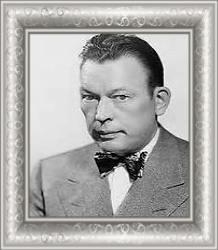
32. Fred Allen (1894-1956)
33. Moms Mabley (1894-1975)
Loretta Mary Aiken was an outstanding comedian. She made 23 comedy albums, 5 films and more TV appearances during the 1960s than any other comic. The Chitlin’ circuit (African-American vaudeville) made her an instant star and her influence on comedy is still evident today.
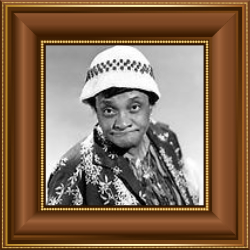
33. Moms Mabley (1894-1975)
34. Jack Benny (1894-1974)
The king of comedy timing, nobody could create laughs from a single glance or long pause like Benny. His exasperated “Well” as he put his hand to his face would bring audiences to tears. Both his radio and TV shows are considered to be milestones in comedy.
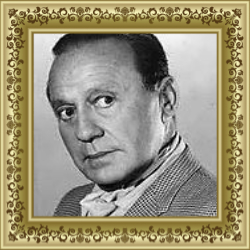
34. Jack Benny (1894-1974)
35. Buster Keaton (1895-1966)
“The Great Stone Face”: Keaton’s deadpan expression created the greatest of silent comedies. Born into a vaudevillian family, Joe Jnr. was performing at three years old and taking a fall was his foremost skill. Often cited as the most outstanding comedy actor/director of all time for his 1920-29 films.
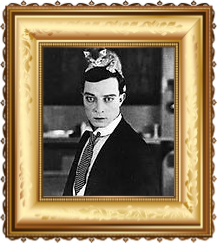
35. Buster Keaton (1895-1966)
36. George Burns (1896-1996)
Burns’ first professional show, (1903) became a huge success in Vaudeville, radio, books, TV and film. His wife, Gracie Allen, was his comedy partner for over 40 years, she playing the funny to his straight. George continued performing after Allen died, winning an Oscar in 1975.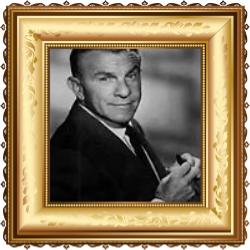
36. George Burns (1896-1996)
37. Totò (1898-1967)
Italy’s “Prince of Laughter”,Totò was revered by his public not only as comic, actor, writer, singer and songwriter, but also as the greatest Italian artist of the 20th century. He starred in over 100 films, nearly all of them considered to be masterpieces of Italian cinema.
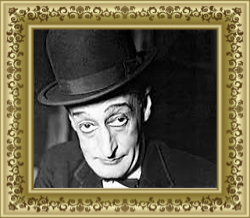
37. Totò (1898-1967)
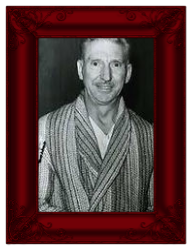
38. Frank Randal (1901-1957)
Randal's subversive comedy made him the northern contemporary of Max Miller. Unfortunately, it worked out less well for Randal, since he was persistently fined and banned, but his perseverance saved comedy from decades of blandness.
38. Frank Randal (1901-1957)
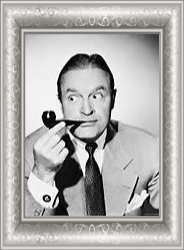
39. Bob Hope (1903-2003)
South London’s own vaudevillian son, Hope’s 80 years in show business stretched from outstanding live work (his USO tours to military zones for over 50 years are legendary) to film, radio and Oscars host, the latter gig pulled off more times than any other presenter.
"People who throw kisses are hopelessly lazy.'
39. Bob Hope (1903-2003)
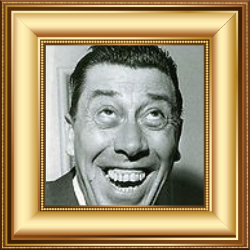
40. Fernandel (1903-1971)
Fernand Joseph Contandin started out as a singer in operettas, but found that he was always cast in the comedy role. In 1930, Fernandel starred in his first film which proved a huge success and presaged a 41-year movie career. He is considered to be France’s top comic film actor.
40. Fernandel (1903-1971)
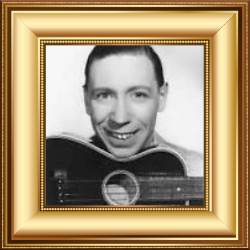
41. George Formby Jnr (1904-1961)
Ukulele-playing George Hoy Booth took his comedian father’s name, keeping it top of the bill for over 60 years. King George V’s favourite comic, Formby Jnr headlined nearly every major variety theatre in Britain in the 30s and 40s, and was reported to be earning £1000+ a week. Formby is the only comic to have been awarded The Order of Lenin.
41. George Formby (1904-1961)
42. Marx Brothers (1905-1949)
Groucho, Chico, Harpo, Zeppo and Gummo were a family musical comedy act, successful on the Orpheum circuit and on Broadway. They moved into motion pictures: five of their films were selected by the AFI as being among the top 50 comedy films.
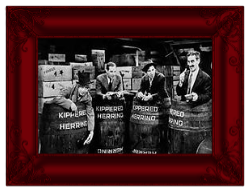
42. Marx Brothers (1905-1949)
43. Max Wall (1908-1990)
Maxwell Lorimer started on the stage as a singer, but when his voice was damaged during a fight with his step-father (who delivered a punch to the throat), Wall moved into comedy. His unforgettable creation was Prof. Wallofsky, a surreal dancing pianist. Wall’s style has been widely copied.
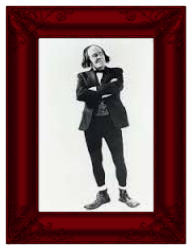
43. Max Wall (1908-1990)
44. Rob Murray (1909-1984)
Hailing from Australia, Murray was one of the finest, laid-back, eccentric comedy jugglers of all time. He first performed in Britain, opening for Danny Kaye at the London Palladium in 1948, and was a sensation. Murray featured on every TV variety show and regularly opened for the Harlem Globetrotters. Reported to be the first-ever juggler millionaire. Here he is from The Ed Sullivan Show in the 60s.
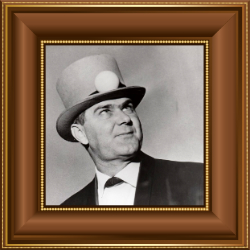
44. Rob Murray (1909-1984)
45. Freddie Frinton (1909-1968)
Frinton made his name with his ‘drunk’ routines and hen-pecked husband character in the sit-com “Meet the Wife”. But he is most famous for a single Variety sketch, which is considered a masterpiece in Germany, where every New Year’s Eve his short film ‘Dinner for One’ is still shown.
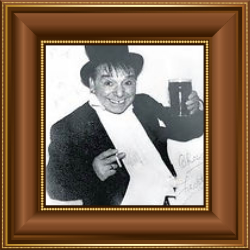
45. Freddie Frinton (1909-1968)
46. Danny Kaye (1911-1987)
David Kaminski was a Catskills all-singing, all-dancing comedian who became the first big star of the US lounge cabaret circuit. Audiences would queue for hours outside the New York Dorchester Hotel to see him. Radio, TV and film bent over backwards to hire Kaye, but he was at his best live and a record-breaking box-office run at the London Palladium proved it.
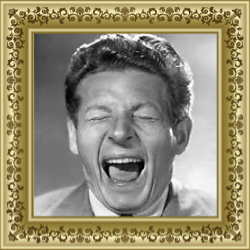
46. Danny Kaye (1911-1987)
47. Bobby Thompson (1911-1988)
Known as “The Little Waster”, Thompson performed in a Pitmatic dialect (accent of the Northumberland miner), treating his audience to self-deprecating humour and family jibes. The ever-present Woodbine at the side of his mouth confirmed his status as one of the first all-out working-class comics.
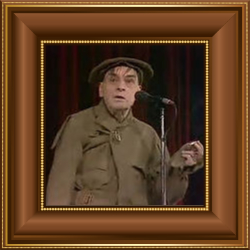
47. Bobby Thompson (1911-1988)
48. John Reed (1916-2010)
For nearly 30 years, Reed played the principle comic roles in the Savoyard operas of the Doyle Carte Opera Company. He was known for his “fleet footed clowning” and was considered to be the last great exponent of the Gilbert & Sullivan comedy roles.

48. John Reed (1916-2010)
49. Frankie Howerd (1917-1992)
Howerd was outrageous and outraged on stage, and he excelled in this persona. Acting as a friend of the family dealing out gossip, his career spanned six decades, during which time he made films, TV sitcoms, hit records and sell-out theatre shows, but still felt his career was a flop.
”Ooh no missus, it’s wicked to mock the inflicted”

49. Frankie Howerd (1917-1992)
50. Phyllis Diller (1917-2012)
(né Driver) was 37 years old when she initially tried her hand at stand-up: she ended up the first female household-name comic. Driver took on every one of her male peers and made it respectable for women to tell jokes. Her career included forty movies as well as TV shows and live work in every important global venue. A gay icon, she is also one of the comedy industry’s most important performers.
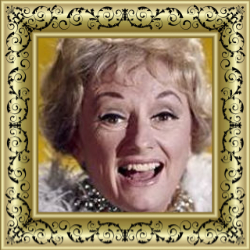
50. Phyllis Diller (1917-2012)
51. Spike Milligan (1918-2002)
Singer, poet, playwright, author and comic, Milligan’s surreal and crazy style completely turned around British comedy as we knew it. (See history of radio). He is cited as being the “Godfather of Alternative Comedy” and his influence can be seen from Monty Python to Harry Hill.
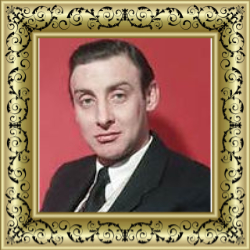
51. Spike Milligan (1918-2002)
52. Tommy Cooper (1921-1984)
The lumbering, cumbersome buffoon created by Cooper wielded his magic props in a unique, comical way, and was emulated by many. He could secure laughs simply by trying to find the stage; he received some of the biggest from an unwitting audience when he died on stage at Her Majesty’s Theatre during a live TV broadcast. A true showman.
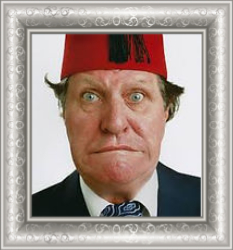
52. Tommy Cooper (1921-1984)
53. Sid Caesar (1922-2014)
The godfather of ‘sketch’ comedy, Caesar was the pioneer of live TV comedy. His series was regularly watched by over 60 million viewers, and the best comedy writers (including Mel Brooks, Neil Simon, Carl Reiner and Woody Allen) aspired to work for it.

53. Sid Caesar (1922-2014)
54. Marcel Marceau (1923-2007)
Performing for over 60 years as the legendary ‘Bip the Clown’ Marceau referred to his style of mime as ‘the art of silence’. In 1959, he opened his own mime school in Paris, and has received theatrical awards from all over the planet including being made a ‘Japanese National Treasure’.
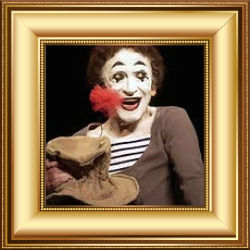
54. Marcel Marceau (1923-2007)
55. Benny Hill (1924-1992)
For 39 years, Hill’s innuendo-rich slapstick appeared on British TV, but by the end of the 80s his unsophisticated comedy was deemed old-fashioned and was not re-commissioned. Celebrity fans around the world, including Michael Jackson, tried to redeem him to television without success.
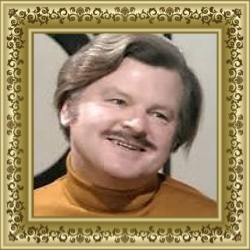
55. Benny Hill (1924-1992)
56. Tony Hancock (1924-1968)
Hancock’s popularity began in the late 1950s with a series which transferred from radio to television in 1956. His down-trodden everyman was loved around the world but Hancock’s depression got the better of him: he committed suicide while filming in Australia.
”A pint, that’s nearly an arm full..”
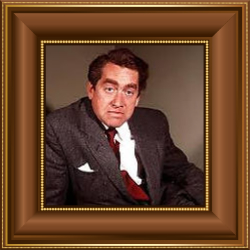
56. Tony Hancock (1924-1968)
57. Jonathan Winters (1925-2013)
A ground breaker in improvisational stand-up comedy and a top-class mimic and impersonator whose rubbery expressive face was his greatest gift. Winters had a wide range of characters, showcased on US television for over 60 years. Robin Williams credited Winters as his mentor.
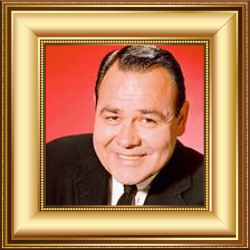
57. Jonathan Winters (1925-2013)
58. Johnny Carson (1925-2005)
A true American icon and regarded as the greatest television talk show host of all time. For 30 years, Carson presented with his trademark casual, conversational style. He received Emmys and Governor Awards and even acquired the Presidential Medal of Freedom.
”Never use a big word when a little filthy one will do.”
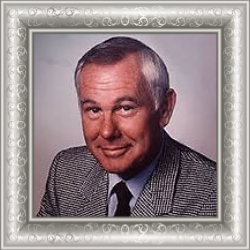
58. Johnny Carson (1925-2005)
59. Lenny Bruce (1925-1957)
Leonard Alfred Schneider had an open, free-form manner to his comedy, combining politics, religion, sex, satire and a fair slice of vulgarity. He was the first stand-up to be arrested for obscenity and was barred from entering England by the Home Office for being an ’undesirable alien’.
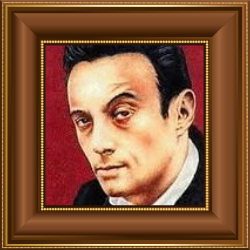
59. Lenny Bruce (1925-1957)
60. Don Rickles (1926-2017)
The ‘King of the Insult Comics’, ‘The Merchant of Venom’, ‘Bullet Head’ or simply ‘Mr. Warmth’: no-one maligned an audience the way Rickles could and get such huge laughs. A regular on TV talk shows, he is probably best known as the voice of Mr Potato Head in the films.
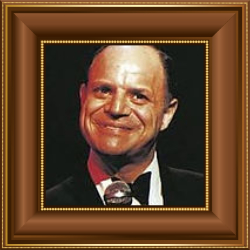
60. Don Rickles (1926-2017)
61. Jerry Lewis (1926-2017)
Known for his over-the-top slapstick humour, Lewis started out in nightclubs as a double act with Dean Martin, becoming one of the highest-paid live entertainers of all time. After copious TV appearances and films, they split in 1956. Lewis has stars on the Hollywood Walk of Fame.
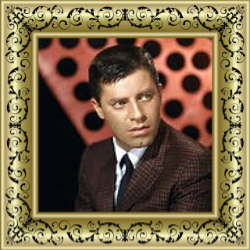
61. Jerry Lewis (1926-2017)
62. Dario Fo (1926-2016)
Arguably the most widely-performed playwright in the theatre world, this Italian comedian and clown created comedies for opera, nightclubs, theatre, TV and film and used many theatrical forms including Commedia Dell’Arte. Fo received the Nobel Prize in Literature in 1997.
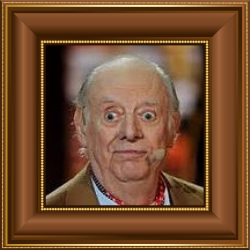
62. Dario Fo (1926-2016)
63. Ken Dodd (1927-2018)
With his goofy teeth, straggly hair and ‘tickling stick’, this Knotty Ash superstar will greet his audience – perhaps with a ‘Diddy Man’ on his arm - by telling them “How tickled I am”. He may well perform for a solid four hours to an adoring audience… at 87 years old that’s why he is on the list.
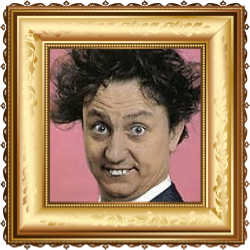
63. Ken Dodd (1927-2018)
64. Mort Sahl (1927-2021)
Morton Lyon Sahl was the founding father of modern live comedy. His pioneering social satire and unique monologues broke new ground in the 1950s US stand-up. The first millionaire comedian, Sahl lost his wealth and popularity when his outspokenness about the Kennedy assassination took over his act and alienated his audience and patrons.
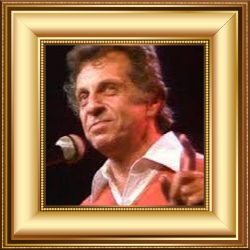
64. Mort Sahl (1927-2021)
65. Tom Lehrer (1928-)
A respected Harvard professor who from 1950 to 65 created some of the greatest twisted parodies of popular musical trends that proved highly influential on the revolutionary comedy of the ‘60s. Sell-out tours around the world came to an end when a reviewer in Australia called him ‘sick”.
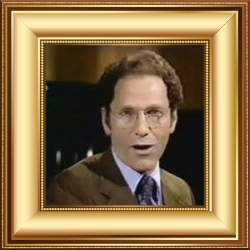
65. Tom Lehrer (1928-)
66. Bob Monkhouse (1928-2003)
Starting in comedy as a writer with school friend Denis Goodwin, he soon proved to be a prolific live performer. He was in demand on both UK and US stages, TV and films. He also had a comedy archive that was immense and when he died the BBC received programmes that had been destroyed years previous.
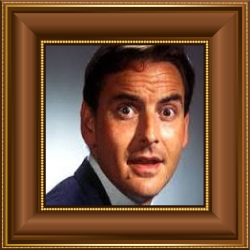
66. Bob Monkhouse (1928-2003)
66. Oleg Popov (1930-2016)
He joined the Soviet National Circus (Moscow State) at the age of 15 where he learnt tightrope and juggling but what he excelled in was clowning. He started touring the world in his early 20s and in Australia given the ‘King of Moomba’ and in France ‘Clown Soleil’ which stuck.
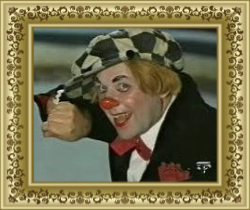
66. Oleg Popov (1930-2016)
68. The Crazy Gang (1931-1961)
Flannagan & Allen, Nervo & Knox and Naughton & Gold, 3 variety double acts came together (plus sometimes Monsewer Eddie Gray) created one of the most exciting comedy teams ever. They had seven sell-out seasons at the London Palladium and after the war they made there home in the Victoria Palace until 1961.
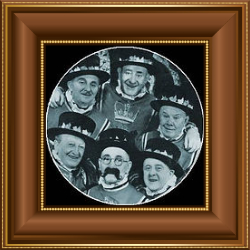
68. The Crazy Gang (1931-1961)
69. Rusty Warren (1931-2021)
The mother of the sexual revolution she started performing in the 1950s and her comedy was sex, but from the female perspective, a first on any stage. Like so many comics of that era, she recorded an album, and hers was the first LP ever to have an “Adults only” sticker, as a consequence it stayed in the Billboard top 100 more than any other album.
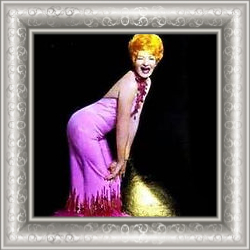
69. Rusty Warren (1931-2021)
70. Les Dawson (1931-1993)
His dejected, world-weary, deadpan face could say more then a thousand words and the words he did choose seemed to be far too poetic to come from this beaten ex-boxers mouth. And that’s why people loved him, working-class and down-to-earth with a sprinkle of the lyrical.
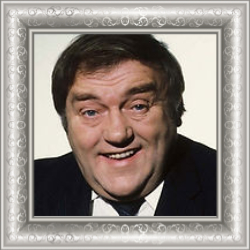
70. Les Dawson (1931-1993)
71. Dick Gregory (1932-2017)
In the early 60s he was not just a comedian but a voice for the growing civil rights movements. Wowing audiences with near knuckle routines and fantastic strong one-liners that attacked racial prejudice. He ran for Mayor of Chicago and US President before retiring from comedy in the early 70s.
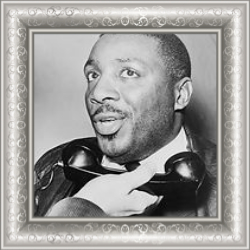
71. Dick Gregory (1932-2017)
72. Joan Rivers (1933 – 2014)
Joan Alexandra Molinsky struggled with self-doubt and insecurity but was still one of the most successful female comics of all time. Her self-deprecating and harshly scathing comedy meant no subject nor person were safe, especially politicians and celebrities.
”I like colonic irrigation because sometimes you find old jewelry”
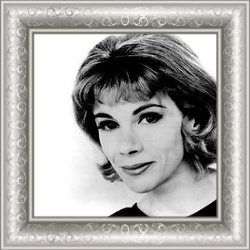
72. Joan Rivers (1933 – 2014)
73. Barry Humphreys (1934-2023)
Best known for his famous on-stage personas Dame Edna Everage and Sir Les Patterson. From the school of Dadaist and Absurdist comedy, this unique character comic has entertained millions world-wide and has been described as ‘the most significant comedian since Charles Chaplin”.
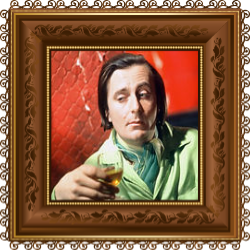
73. Barry Humphreys (1934-2023)
74. Barry Cryer (1935-2022)
Starting out as a comic at the notorious Windmill Theatre in London, he has had one of the greatest careers any comic could wish for. Not only a constant name on TV, film and radio, but he has also written for some of the biggest names ever in comedy. That, and a No’1 single in Finland, he simply is a legend.
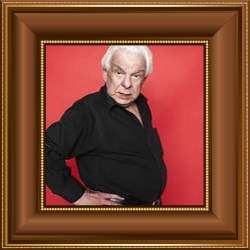
74. Barry Cryer (1935-2022)
75. Dave Allen (1936-2005)
No other comic had such a relaxed and intimate style as this man, sitting in a chair, cigarette in one hand, scotch in the other (though it was ginger-ale) he regaled his heart-warming stories or scathing attacks on the church or just a long yarn about a watch and all were delivered with charm in abundance.
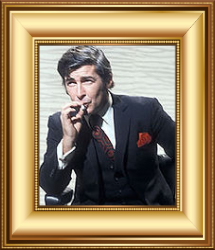
75. Dave Allen (1936-2005)
76. Bill Cosby (1937-)
Allegations aside, he still is one of the greatest stand-ups living today. 32 years of performing live while creating TV shows (some spinning off from his stand-up) films, books and countless comedy albums, of which seven have received Emmy’s. A true comedy genius.
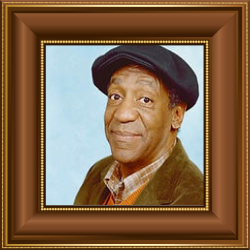
76. Bill Cosby (1937-)
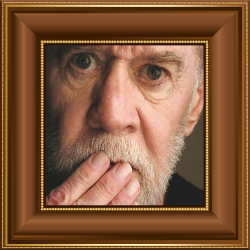
77. George Carlin (1937- 2008)
Through the 60s he was one of the highest paid comics in the US but didn’t like what he was doing and so he grew his hair, grew a beard, took a 90% cut in income and became the greatest counter-culture comedian of all time. His routine “seven dirty words” (below) went to the US Supreme Court on “obscenity ruling” and he won, paving a way for thousands of comics in the future.
77. George Carlin (1937- 2008)
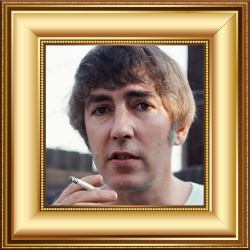
78. Peter Cook (1937-1995)
One of the most influential comedians in UK comedy, the godfather of the satire boom of the sixties and the financial support of Private Eye magazine, Cook opened the first satirical revue nightclub in Britain,The Establishment Club. Working with his comedy partner Dudley Moore, his performing career took him from the West End to Broadway.
78. Peter Cook (1937-1995)
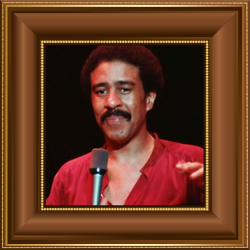
79. Richard Pryor (1940-2005)
Currently holding the no. 1 spot on Comedy Central’s list of 100 top stand-ups, Pryor truly is the comedian’s comedian. No-one at the time attacked race, politics and everyday life as well as Pryor. Bill Cosby said, “He drew the line between comedy and tragedy as thin as one could paint it.”
79. Richard Pryor (1940-2005)
80. Ken Campbell (1941-2008)
The one-man dynamo of British theatre and a true comedic eccentric, everything Campbell touched was uniquely inventive. He produced the famous anarchic Roadshows of the seventies and eighties, the breathtaking School of Night, and a series of autobiographical one-man shows: a performing giant.

80. Ken Campbell (1941-2008)
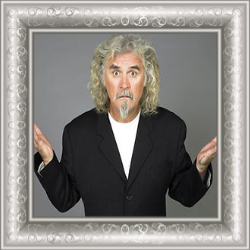
81. Billy Connelly (1942-)
An ability to find the peculiar in the mundane makes ‘The Big Yin’ one of the finest observational comics on the planet. Starting out on the British folk circuit as a singer in 1969, Connelly soon realised that his audiences were enjoying the patter between songs more than the tunes – he obliged by offering them the blunt, honest humour for which he’s known today.
81. Billy Connelly (1942-)
82. Mike Harding (1944-)
Another stalwart of the folk scene of the seventies, this multi-instrumentalist balladeer gained public attention when his single ‘The Rochdale Cowboy’ hit the charts. Harding went on to secure a TV show which demonstrated his musical and storytelling skills through beautifully-crafted comedy routines, an original voice in a decade of ‘pub jokes’.
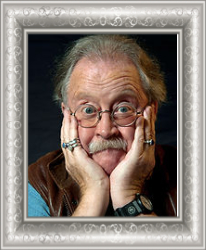
82. Mike Harding (1944-)
83. Steve Martin (1945-)
The absurd, banjo-playing, wild and crazy guy of his generation, no other performer has ever made an impact on the world of comedy like Martin. He was the first comic to take stand-up into stadia - sell them out – and although he quit live comedy in 1979 for movies, his influence can still be spotted in the work of new, young comics.
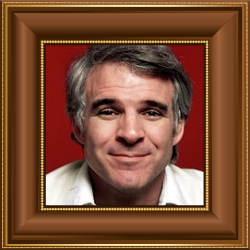
83. Steve Martin (1945-)
84. Albert Brooks (1947-)
Albert Einstein (his real name) is from a family of performers: his brother is ‘Super Dave Osborne’ (comic stunt man) and his father, Harry Einstein (radio comedian). Starting in the early seventies, Brooks created a self-important, highly strung comic character who deconstructed his actions on stage. His subversive style had a huge impact on US comics of the time.
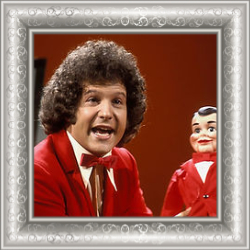
84. Albert Brooks (1947-)
85. Norman Gunston (1948-)
Gary McDonald first performed Gunston as a unique character in 1973: a tiresome and talentless, small-time Australian TV reporter on Gunston became a huge hit and soon had his own national show. ‘The Little Aussie Bleeder’ became one of Australia’s most successful comics and the tone of his impudent ‘anti-television’ style was copied the world over.
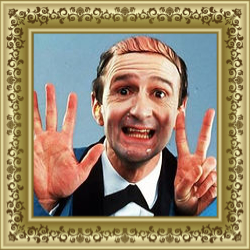
85. Norman Gunston (1948-)
86. Andy Kaufman (1949-1984)
Kaufman never considered himself to be a comic or a performance artist. He was just himself. His unique brand of lunacy could make an audience love and then instantly hate him. Elaborate practical jokes and original, self-destructive pranks made him a standout genius. Kaufman was a cult figure when he was alive; thirty years after his death, he still remains one.
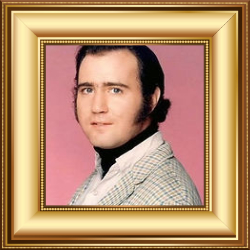
86. Andy Kaufman (1949-1984)
87. Slava Polunin (1950-)
When he is in full make-up, Polunin is one of the most globally-recognized faces: ‘Slava’ has performed his clown shows - most notably Snow Show - on every continent. He came to prominence when he organized a march in Leningrad during the height of Communism - over one thousand clowns and mimes demonstrated against the authorities in favour of artistic expression.
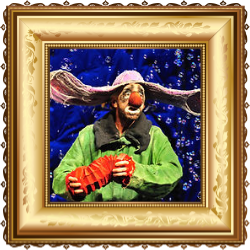
87. Slava Polunin (1950-)
88. Bill Irwin (1950-)
Now known mainly as an actor, Irwin began as a clown in the Pickles Family Circus where he honed his amazing physical comedy skills. His solo Broadway shows are regarded virtuoso clown performances and his awards list for these productions is extensive. A renaissance man whose career now includes music, film, TV, vaudeville and circus.

88. Bill Irwin (1950-)
89. Second City (1959-)
In 1959, a group of undergrads put on a show of theatre games and sketches in a small Chicago bar. This improvisational company - Second City - offered an important space for other performers, leading to the establishment of associated venues in Toronto and Los Angeles. Since then, the company has seeded some of North America’s greats: Jerry Stiller, John Belushi, Steve Carrell and Tina Fey are among its alumni.
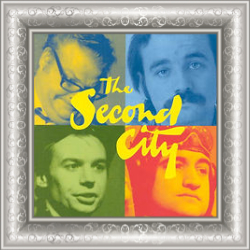
89. Second City (1959-)
90. Robin Williams (1951-2014)
A comedy cyclone, Williams’ improvisational energy swiftly took him to a career apex. By the late seventies, his original free-form style steered him through the stand-up ranks until other comics began refusing to follow his act. Although he moved into TV and film, Williams continued to perform an occasional stand-up gig – often unannounced - until his untimely death.
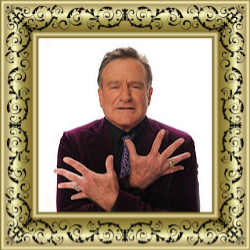
90. Robin Williams (1951-2014)
91. Sam Kinison (1953-1992)
A one-time Pentecostal preacher, this unique, dark performer was the full-on rock ‘n’ roll comic. The founder of ‘The Texas Outlaw Comics’ (which included Bill Hicks), Kinison cut his teeth touring the US southern states where he would revel in harsh, politically incorrect material, almost always accentuated with his trademark scream. Many imitated, none equalled.
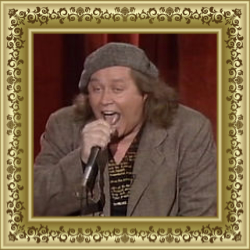
91. Sam Kinison (1953-1992)
92. Keith Allen (1953-)
When Allen used Max Bygraves’ show to display himself, stark naked, to the crowd, it was characteristic of the anarchism he loved to spread in the early UK alternative comedy scene. Opening for The Clash and Dexy’s Midnight Runners, his material was as harsh and intense as the music itself. TV and film took him away from live work but he has maintained his bad boy profile.
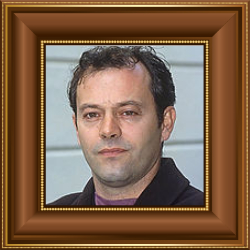
92. Keith Allen (1953-)
93. Victoria Wood (1953-2016)
A prolific writer and performer, Wood has turned out TV drama, sitcoms, sketch shows, plays, films and radio. Yet her live shows remain perfectly honed works of art, grounded in the everyday lives, childhoods, products and political issues of her audience. Her gift is to spotlight the forgotten details within any generation’s culture.
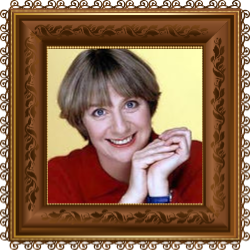
93. Victoria Wood (1953-2016)
94. Jerry Seinfeld (1954-)
Jerome Allen Seinfeld, the alpha-geek of observational comedy, has a unique style which focuses on his personal life and relationships. Discussing uncomfortable social norms made him an essential guest on every eighties talk show. His own TV comedy, the eponymous Seinfeld, was based on his stand-up work, and became America’s most successful sitcom of all time.
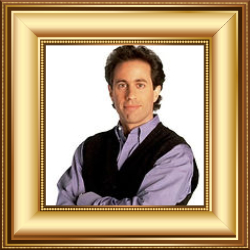
94. Jerry Seinfeld (1954-)
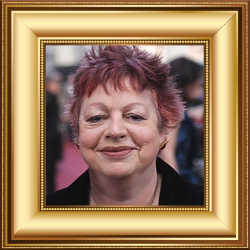
95. Jo Brand (1957-)
When the New Wave alternative comedy scene started in the eighties, stand-up was still a male-heavy domain. Quite a few women took the mic, but live remained a hostile environment. With her cynical, deadpan, “take-no-prisoners” style, Brand smashed the British circuit. Sell-out tours and award-winning TV shows have followed to date.
95. Jo Brand (1957-)
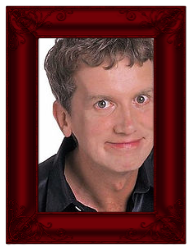
96. Frank Skinner (1957-)
In the politically-correct world of the eighties, comedians were at pains to say the right thing. Christopher Graham Collins only said what was funny, really funny. Once he’d adopted the name of his father’s friend, Frank Skinner’s observational, often coarse comedy rose above the mediocrity of his peers. A far more intelligent comic than the laddish label he acquired.
96. Frank Skinner (1957-)
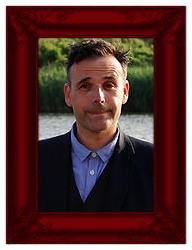
97. Rob Newman (1964-)
The man who made British comedy sexy by becoming its first poster-boy. Starting out as a stage impressionist in the eighties, Newman was part of The Mary Whitehouse Experience, a TV show which kickstarted his lengthy working partnership with David Baddiel. Newman and Baddiel were the first stand-ups to sell out Wembley Arena - the original UK ‘rock ‘n’ roll comics. Here he is live at The Edinburgh Playhouse.
97. Rob Newman (1964-)
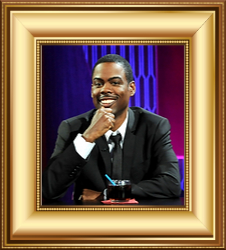
98. Chris Rock (1965-)
At 19, Rock was performing stand-up in New York and by 22 was appearing in movies. He became a regular cast member of Saturday Night Live yet national exposure did not lead to Hollywood, as it did for other alumni. He returned to the comedy clubs and three years later, toured and recorded Bring The Pain, now considered to be one of the best comedy sets ever.
98. Chris Rock (1965-)
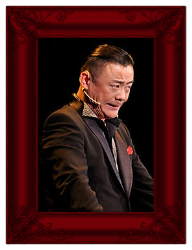
99. Zhou Libo (1967-)
A Laughable Talk On The Past 30 Years was performed in Shanghai on December 1st 2006. It made Mr Zho the first modern comedy star of China and introduced “Shanghai-Style Small Talk” to the world, a seemingly improvised set using a mix of Mandarin, Shanghainese and English expressions. Currently, a judge on China’s Got Talent.
99. Zhou Libo (1967-)
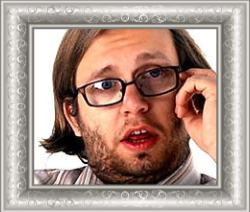
100. Daniel Kitson (1977-)
Since he stormed onto the British comedy circuit in 2000, this prolific wunderkind has created thirty-one comedy shows in fifteen years. A committed live performer (since TV denies him complete artistic control) Kitson - the finest stand-up of his generation - must be seen to be believed.
100. Daniel Kitson (1977-)