
The Supper Room Years
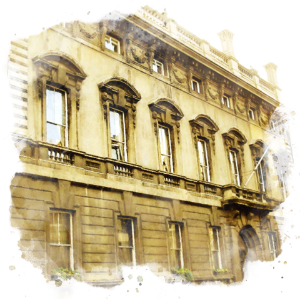 In 1831, a club became established as an after-show drinking venue for gentlemen who performed in the London theatre. First housed in the committee rooms of the Theatre Royal, Drury Lane, it moved within six months to a fully equipped clubhouse in King Street, Covent Garden. This was The Garrick Club (left). Its rules and regulations included the motto “it would be better that ten unobjectionable men should be excluded than one terrible bore should be admitted” – a conviction which helped to develop its allure.
A couple of years later, The Theatre Act of 1843 restricted the powers of the Lord Chamberlain so that the prohibition of performances could only be allowed when he saw it to be "fitting for the preservation of good manners, decorum or of the public peace". The same Act increased the capacity of local authorities to license theatres, breaking the monopoly of the larger, branded playhouses while encouraging the development of smaller, independent ventures, such as saloon theatres attached to hostelries and supper rooms.
Comedy plays began to be produced at prestigious London theatres such as The Royal Opera House and the Theatre Royal, Drury Lane where Christmas pantomimes were already a staple. After each performance, cast members made a beeline for The Garrick, but these comic actors, turns and strollers were not the club’s usual clientele. They were uncouth and bawdy and apt to sing a racy tune after a few drinks. For the other patrons – theatrical dandies looking for some peace and quiet - this was unwelcome behaviour, and the newer crowd soon found themselves barred.
 Luckily, at the other end of Kings Street the Grand Hotel’s owner, W.H. Evans, had heard of this and offered up his basement as a late drinking den for the excluded. This became the popular Evans Music And Supper Rooms of the 1840s. Within months, a stage had been built and choir boys singing madrigals provided the entertainment.
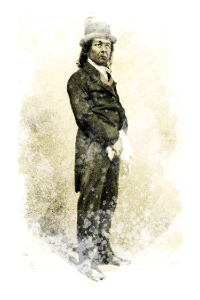
Performances by older comic singers such as Sam Cowell (left), Charles Sloman and Sam Collins followed, during which members would eat, drink and participate in singalongs, sometimes of a rather lewd nature. A regular of The Late Joys as the show became known, was William Makepeace Thackeray who refers to it as “The Cave of Harmony" in his novel The Newcomes, and as "The Back Kitchen" in Pendennis.