You lucky lucky people
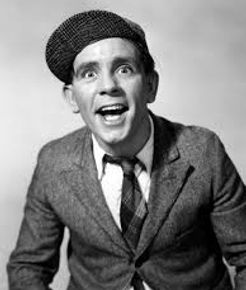 In the 1950s, British studios turned to a few comics on the variety circuit to star in their films. Norman Wisdom was one such performer. His physical half-wit humour appealed to mass audiences in such features as Trouble in Store (1953), One Good Turn (1955) and Man of the Moment (1955). Although not loved by all here at home, Wisdom’s films became the biggest-selling box office success of all time in Albania. As a result, executive producers pushed Wisdom through a turnover of sixteen films in a ten-year period.
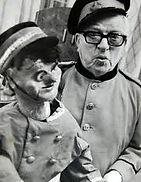 Other stage comedians who made films did not fare so well. Sandy Powell (right) failed miserably in Cup Tie Honeymoon (1948). Frank Randle’s badly-edited films did him no favours, It’s A Grand Life (1953) appearing tired in comparison to the new crop of comedies. The young Max Bygraves was teamed up with Hal Monty for not one, but two awful films: Bless ‘Em All (1948) and Skimpy in the Navy (1949). And poor Tommy Trinder appeared in a cheap army comedy, You Lucky People (1955) filmed through a flawed lens.
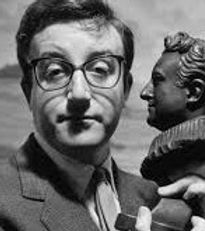 By the end of the 1950s, one particular British comic stood out as a unique movie character. As part of the RAF entertainment unit he had delighted troops with his different comical personae. His move into BBC radio was advanced by a self-recommendation in which he convinced a producer that he would be perfect for the medium. Working on The Goons led to a small role in the Ealing Studios black comedy The Ladykillers but it wasn’t until the end of the decade that Peter Sellers came into his own. In 1959, he received the BAFTA Best Actor Award (beating Laurence Olivier) for I’m All Right Jack.
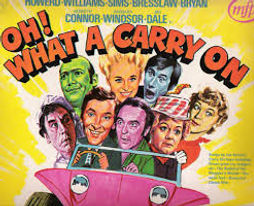 Other radio stars would soon transfer to movies: the supporting cast for Hancock’s Half Hour was a case in point. Kenneth Williams, Sid James, June Whitfield and Hattie Jacques all went on to join one of Britain’s biggest movie franchises of all time (beating Bond): the Carry On series. Cheap, cheerful, risqué farces, these pictures were a cross between music-hall gags and seaside postcard innuendo. Thirty-one films, a TV series, three Christmas specials and three West End shows later, Carry On finally died out in 1992.
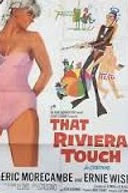
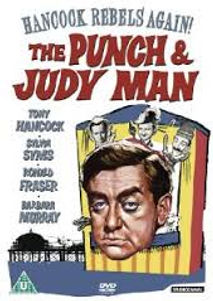 In the sixties, the light entertainment stars of (small screen) TV were also being contracted for the big screen. Morecambe & Wise enjoyed a modicum of success with The Intelligence Men (1965) and The Rivera Touch (1966). Charlie Drake made Petticoat Pirates (1961), The Cracksman (1963) and Mr Ten Per Cent (1967); and of course, Tony Hancock gained notoriety for The Punch and Judy Man (1963) and The Rebel (1961). But the audience that really adored all of these comics was the armchair one at home.
Two British television comics who would flourish in film were Peter Cook and Dudley Moore: Monte Carlo Or Bust (1969) and the unequalled Bedazzled (1967) made them into household names, but it was as solo performers that they really grew into the medium. Both starred in many films and Cook’s recognised creative genius built expectations of success. It was, however, Moore’s film career that took off and The National Alliance of Theater Owners named him the Top Box Office Star-Male of the Year, 1983.