
Pantomimus
Pantomimus became very fashionable in Rome during the rule of Augustus (63 BCE–14 CE), remaining popular until the empire’s decline in 476 AD.
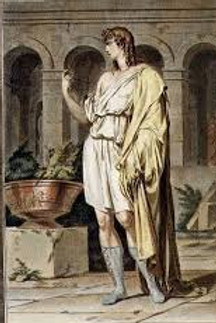
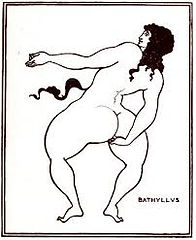 The two masters of pantomimus were Bathyllus and Pylades. Bathyllus (right, as illustrated by Aubrey Beardsley) was a native of Alexandria in Egypt, while Pylades (left) came from Cilicia in Asia Minor. Both would have accrued different theatre techniques - Bathyllus, comedy and Pylades, tragedy - but each developed expertise in this new genre. The two were instant rivals, with fans who often fought in the street over their idol’s primacy. Despite being banished from Rome for prompting these assaults, Pylades was quickly pardoned when the masses bayed for his return.
Content gradually acquired a more bawdy, vulgar edge, and nudity became a regular component.
Emperor Elagabalus insisted on adding adulterous scenes, while Emperor Domitian demanded that a real crucifixion be performed!
The early Roman Christians proclaimed these shows to be lewd and carnal, and by the end of the 4th Century, St Augustine described pantomimus as being “more morally dangerous than the Roman circus”. To counter his allegations, productions began to ridicule the new religion of Christianity: baptism in particular was ripe for ridicule.
Religious leaders went on the attack and preached against pantomimus saying:
These wanton words, these ridiculous manners, these foolish tonsures, these ways of walking, these dresses, these voices, that softness of limb, that winking of the eye, these pipes and flutes, these dramas and arguments – aye, all are full of utter wantonness. Here are to be seen naught but fornication, adultery, courtesan women, men pretending to be women, and soft-limbed boys