Fatty falls over
On 10th June 1895, Louis Lumiere screened L’Arroseur Arrose, a silent black-and-white film about a gardener who is tormented by a young boy who persistently stands on his hose. The movie was only forty-nine seconds long, but it heralded the advent of film history’s most popular genre, comedy, and within months the stars of the British music-hall were showing off their skills to camera.
The first comedies were mostly one-reel adaptations of popular stage routines or vaudeville sketches: those making an early debut on celluloid included physical performers, pantomime turns and speciality acts. Pioneer film-makers such as G.A.Smith, James Williamson (Stop Thief! ) and the legendary duo, Hepworth & Bamforth, were the trailblazers for British film comedy.
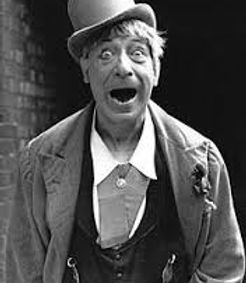 Audiences began to attend flea-pit cinemas across the country just to catch these one-minute silents. Shorts like The Miller And The Sweep (1897) and Explosion Of A Motor Car (1900) were packing them in, and this new form of entertainment could not be ignored by theatre agents and producers. The gold rush was not for everyone: music hall stars such as Dan Leno, Marie Lloyd and Harry Champion (left) were screen-tested, but without a live audience or a voice they were unsuccessful in making the transfer.
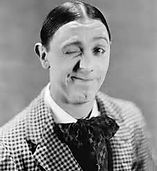 A new breed of star was sought by a demanding public. Fred Evans created his film comedy character Pimple; Reginald Switz gave us Winky; and before he was whisked off to the Californian studios, Lupino Lane (right) performed repeatedly as both Nipper and Mr Butterbun. Although never reaching the artistic heights of James Finlayson, Stan Laurel or Charles Chaplin (all British comics who conquered Hollywood) they achieved celebrity status at home.